Staying Safe While Surfing Maui’s Waves: 7 Tips for Visitors




Surfing is thrilling, fun, and a great way to enjoy Maui’s beautiful ocean. Yet the ocean can also be powerful and unpredictable. Before paddling out, review the following safety tips and suggestions for staying safe while surfing Maui’s waves.
The ocean in Hawaii can change quickly. While mornings typically start with glassy seas, perfect for snorkeling and paddle boarding, we also experience afternoon trade winds. Swell direction, tides and currents are all considerations when doing anything active in the ocean or far from shore. These 7 tips will ensure that you get the most out of your surfing experience on Maui while also keeping yourself and others safe in the water.


1. Book a surf lesson
If you’re a first-time or beginner surfer, consider taking a surf lesson. Maui has several excellent surf schools that offer surf lessons for the whole family. Not only will surf lessons help you master the basics of wave riding more quickly, but surf instructors will also teach you key components of ocean awareness and safety. Surf instructors are trained to quickly assess ocean conditions. They will make sure that you are surfing beginner-friendly spots and in waters that are safe for your skill level. They will additionally teach you how to properly read the waves, wind, and ocean. This foundational “wave” knowledge will be important for your surfing for years to come.
2. Check ocean conditions
If you are thinking about surfing in Maui, it’s important to check ocean conditions. Local news outlets provide daily ocean updates. There are also websites like Surfline that give detailed surf reports and forecasts. Avoid going in the ocean during days with high surf advisories. Even experienced surfers should heed local advisories and be aware of the ocean conditions.
3. Maui’s surf seasons
Surfing on Maui is defined by distinct seasons. During the winter months, large swells from the North Pacific send big waves to the north facing shores of each island. These waves are powerful and can be dangerous – especially for beginner surfers. Surf spots like Ho‘okipa and Honolua Bay often have large waves between November through March. Some big wave surf spots like Pe‘ahi (aka “Jaws”) can have waves of 40-50 feet in height. Due to the large surf from November through March, these north and northwest facing beaches are often not suitable for beginners. South and southwest beaches will have smaller waves for beginners during the winter.
Summer, in contrast, is “south swell” season. Waves from May through September originate in the South Pacific. The islands of Kaho’olawe and Lana’i somewhat block these swells before they reach Maui. Summertime waves along Maui’s south and southwest coastlines are often better for beginners and learning how to surf.
4. Rent quality surf boards and gear
One of the biggest mistakes that beginner surfers make is using the wrong equipment. While it may seem counterintuitive, longboards (boards over 9 feet) are best for new surfers. They have more stability and flotation, making it easier to catch and stand up on waves. Shortboards (boards under 7 feet) are ridden by more experienced surfers. Shortboards offer more maneuverability but are harder to paddle. You should always make sure that your board includes a leash. A leash attaches to a surfer’s ankle and keeps you connected to your surfboard. It’s also important to wear proper sun protection. If possible, wear a brightly colored rash guard (like yellow or pink). Not only will it protect you from Maui’s powerful sun, you’ll also be easier to spot in the water if you do run into trouble.
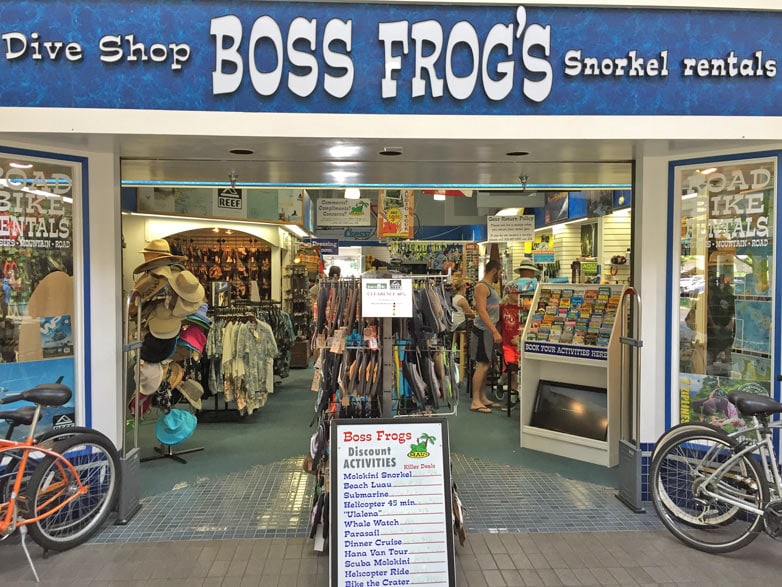
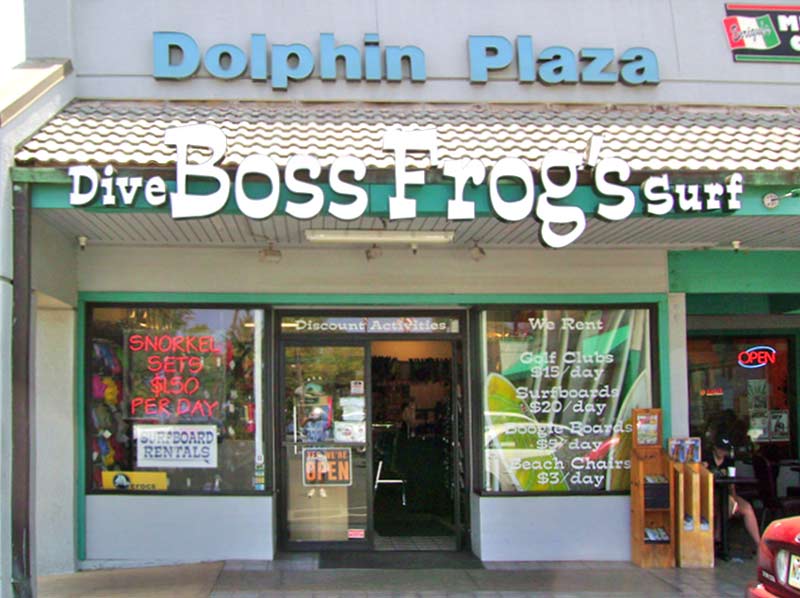
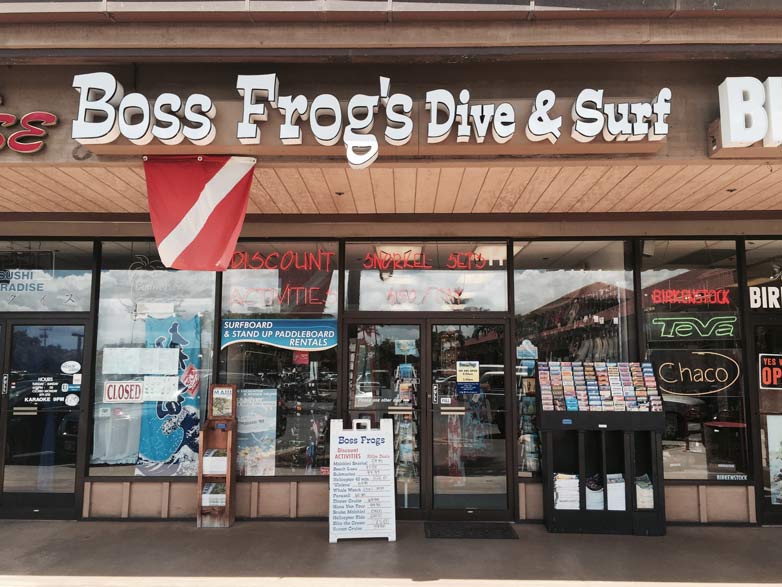
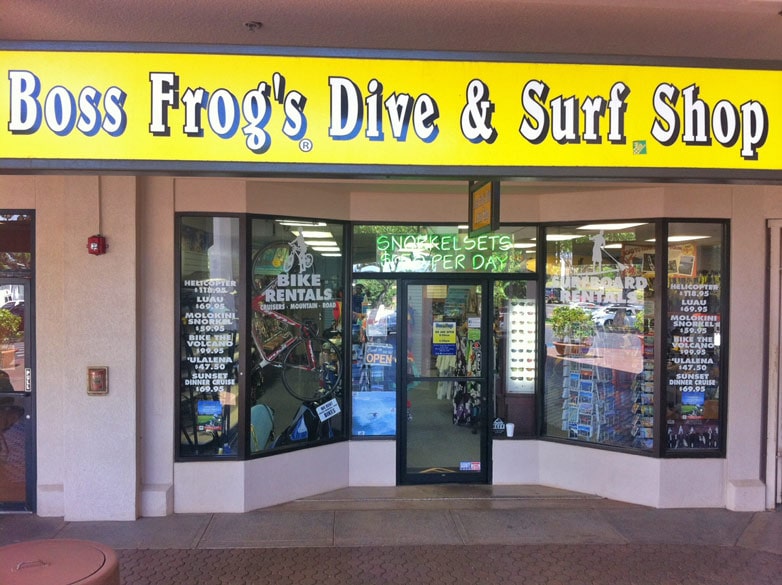
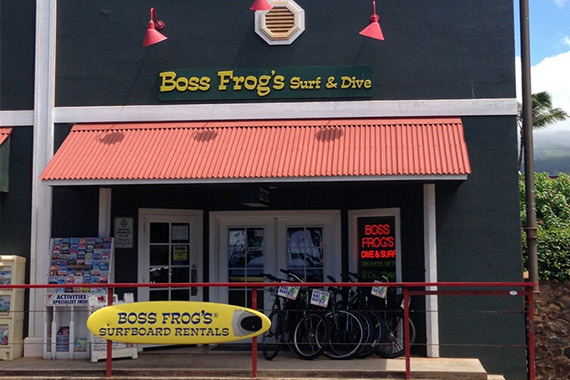
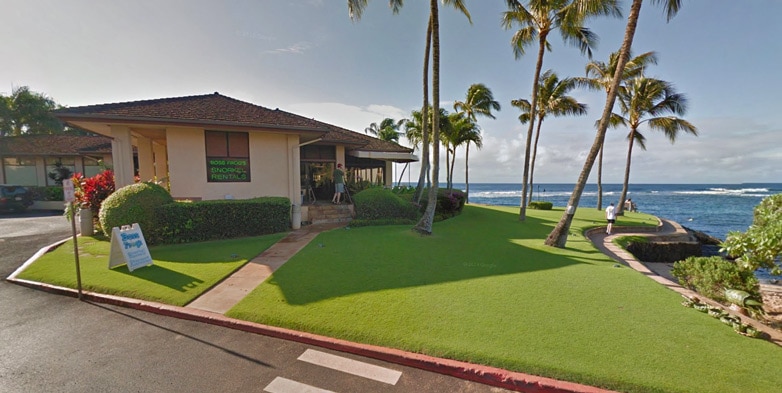
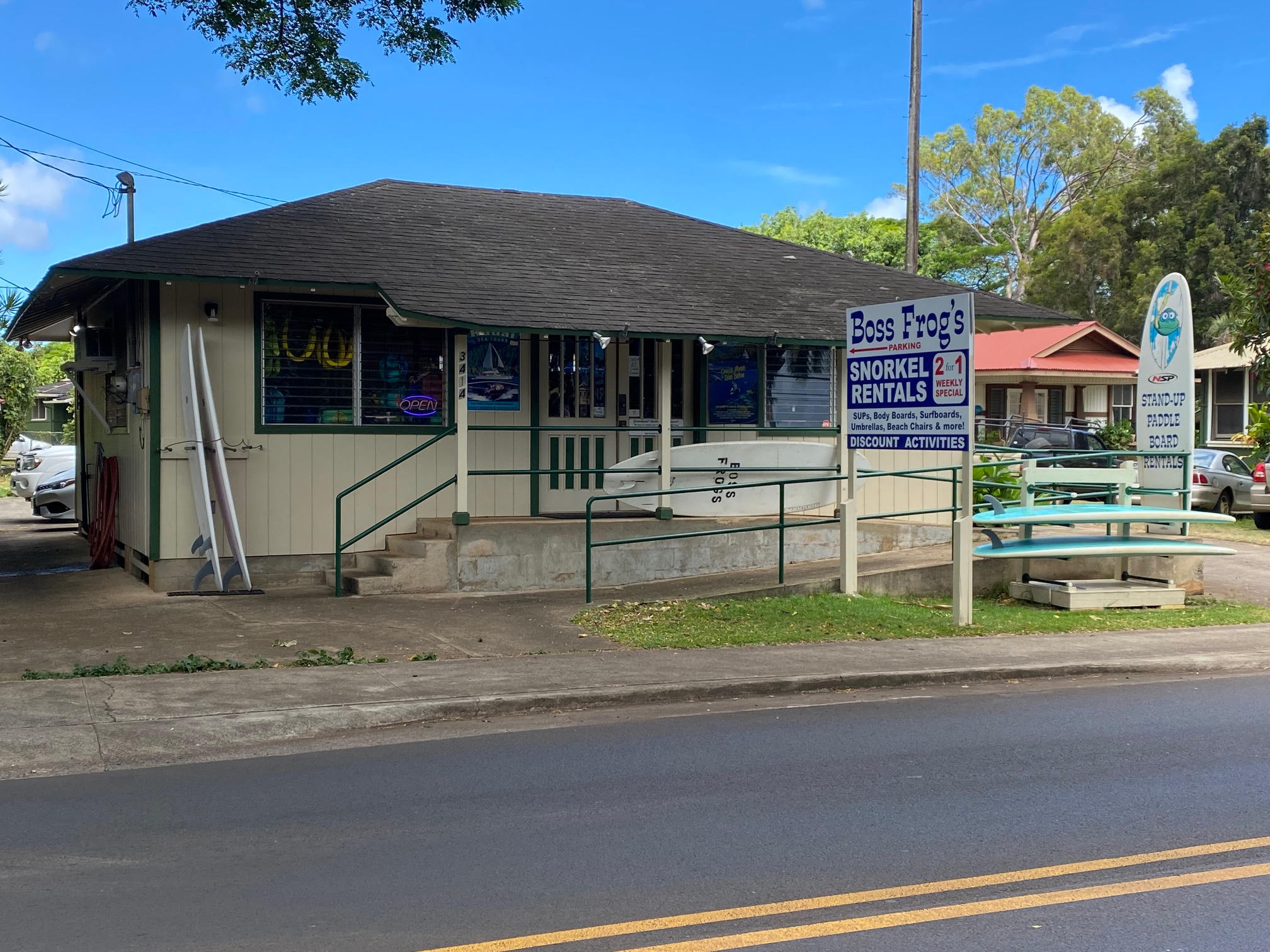
Rent a surfboard on Maui from a local surf shop like Boss Frog’s to get personalized tips and gear.
5. The best places to surf on Maui based on ability
In addition to using the correct equipment, it is important to choose the best surf spot for your surfing ability. Launiupoko (Lahaina), The Cove (Kihei), and Ukumehame Beach Park (West Maui) are some of Maui’s best beginner surf spots. Some of Maui’s more notable waves (like Honolua Bay) are best for intermediate and advanced surfers. Surfing at beaches that are too advanced for your skill level can be both frustrating and dangerous. If possible, surf at beaches with lifeguards. When you’re at a new beach, always take time to watch the surf before paddling out.
6. Know your limits
Staying safe while surfing Maui’s waves also means respecting your current skill level. Don’t feel the need to push yourself into waves or ocean conditions that you aren’t prepared to handle. This can be dangerous for both you and other surfers around you. By staying within your limits, you reduce your risk of injury, avoid putting others in danger, and allow yourself the opportunity to gradually build confidence in the water. As the local saying goes, “ If in doubt, don’t go out.”
7. Surf etiquette
Surf etiquette is a set of foundational rules that all surfers follow in the water. These rules are in place to ensure that everyone can enjoy the waves safely. First, never “drop in” or paddle for a wave that someone else is already riding. This can cause collisions and injuries, in addition to ruining someone else’s wave. When paddling out, avoid getting in the way of other surfers who are already riding the waves. If you do wipe out or get caught by the whitewater, make sure to hold on to your board. An uncontrolled surfboard can be dangerous to other surfers. Always be aware of your surroundings, including other surfers and changing ocean conditions. Finally, be respectful of local surfers and give them priority. Apologize if you make a mistake and opt to surf at surf spots that are best suited for beginners.
Keep in mind that surfing takes time and commitment. Understanding and following basic surf safety will allow you to safely and confidently progress as a surfer and enjoy your Maui surf vacation.


| Safety Tip | Why It Matters |
| Take a surf lesson | Surf instructors will make sure the conditions and waves fit your skill level. You will also learn the key foundations of surfing. |
| Check ocean conditions | Surf only when it is safe. Avoid paddling out on days when the surf is too big or ocean conditions are unsafe. |
| Understand Maui’s surf seasons | The winter months on Maui have larger waves and are more suitable for advanced surfers. Summer is often better for beginning surfers |
| Choose the correct equipment | Surfing the correct size board and always wearing a leash will keep you and others safe. You will also progress more confidently in your surfing. |
| Surf at beginner spots | Beginner surf spots often have safer and less powerful waves. You won’t have to worry about being in the way of more advanced surfers and can focus on your surfing progress. |
| Know your limits | Pushing yourself into waves or ocean conditions that are outside of your limits can be dangerous to you and others around you. It can also set you back in your surfing journey. Stick to waves and days that are suitable for your skill level. |
| Follow proper surf etiquette | Maintaining respect with other surfers and controlling your surfboard in the water will allow everyone to enjoy waves. |